
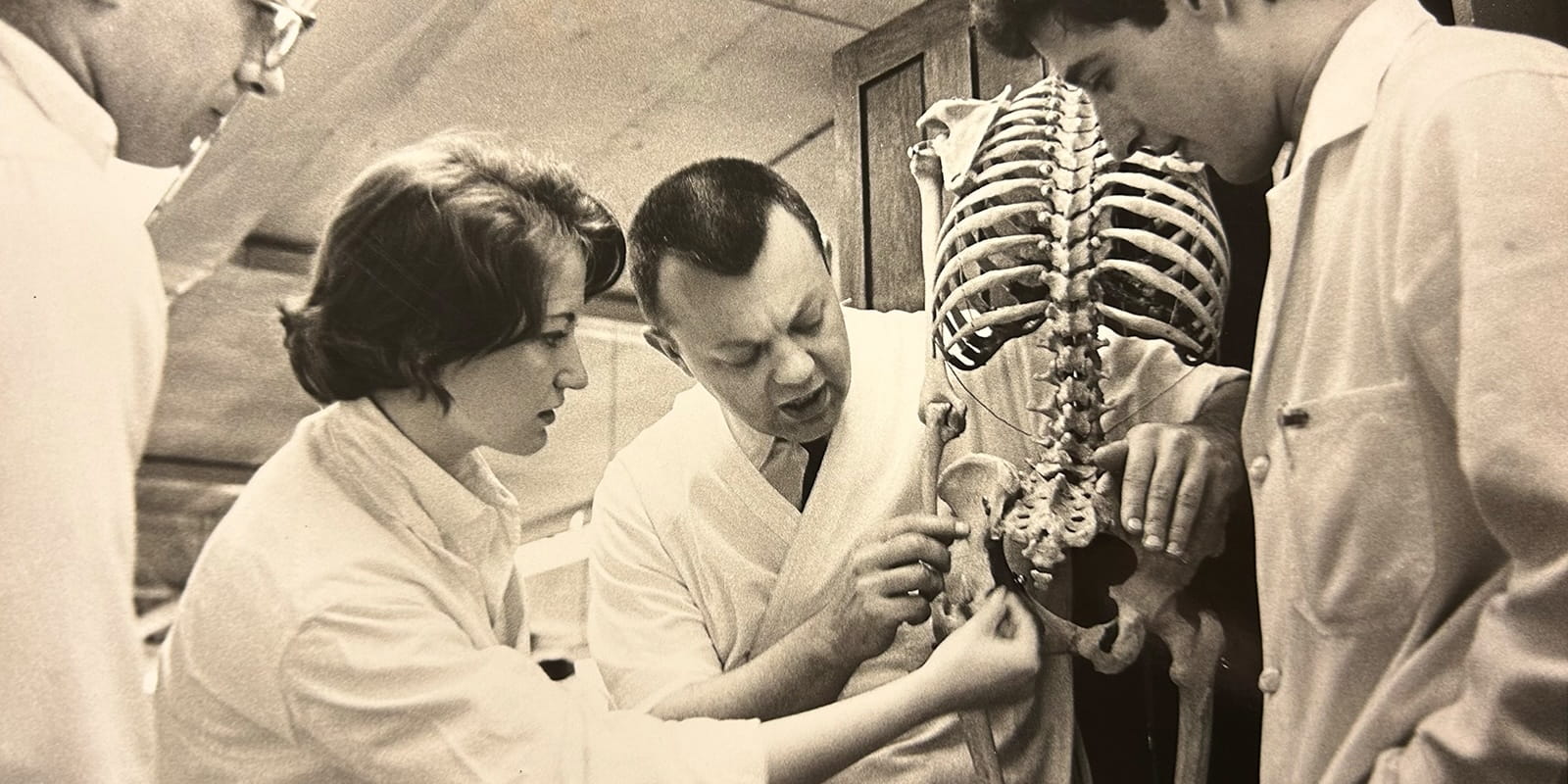
Physician’s many gifts have benefited generations of students
Aug. 12, 2026
By Molly Urnek
The first gift Dr. Moira Burke gave USF was not a check. It was a day.
Beginning in 1975, she gave one day a month to the university’s young ophthalmology department. A family move had brought her to Tampa reluctantly, away from a promising position as an attending surgeon at Wills Eye Hospital in Philadelphia and into a city where a potential employer told her they didn’t think she could “carry her own weight.”
But Burke was persistent.
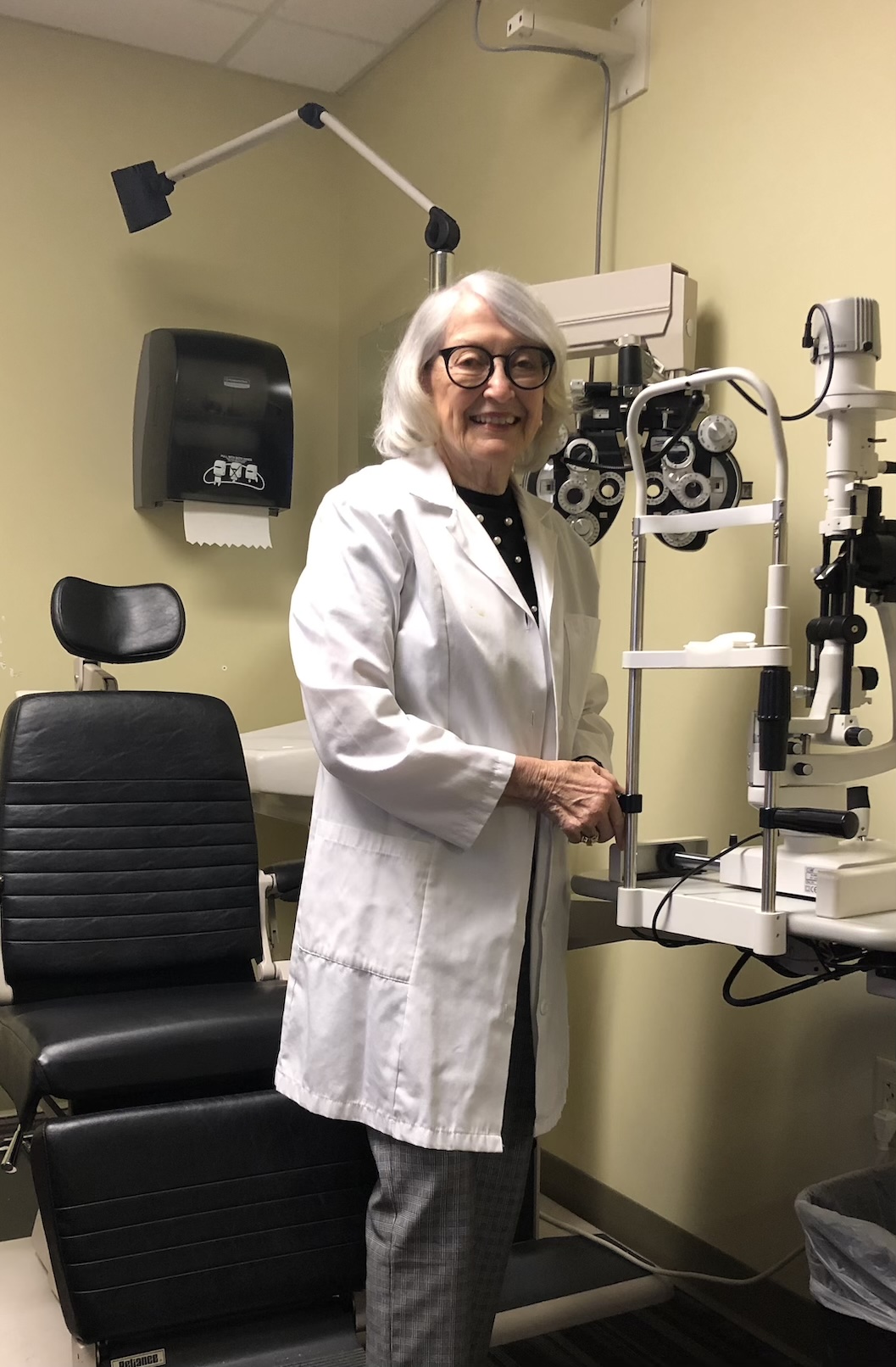
She introduced herself to every ophthalmologist in town, knocking on doors and offering to cover for them while they vacationed. She started her own practice, a small office with one exam room, and began training USF students on a volunteer basis.
“I didn’t have a mentor, as I was only the second woman admitted to my residency program,” says Burke. “I wanted to give these students what I never had.”
Burke would go on to spend the next half-century in service to USF as an award-winning clinical faculty member, mentor, volunteer and advocate. Along the way, she has also given consecutively for 50 years to causes across the university, earning a special place in USF’s Loyalty Herd and creating opportunities for students and researchers through multiple endowments.
But Burke was not counting the years as she gave. She doesn’t recall the first monetary donation she made, or many of the gifts that followed. When she learned she had been giving to USF for 50 consecutive years, she was surprised.
“It’s my primal instinct to help others become educated,” she says. “It’s a natural extension of me.”
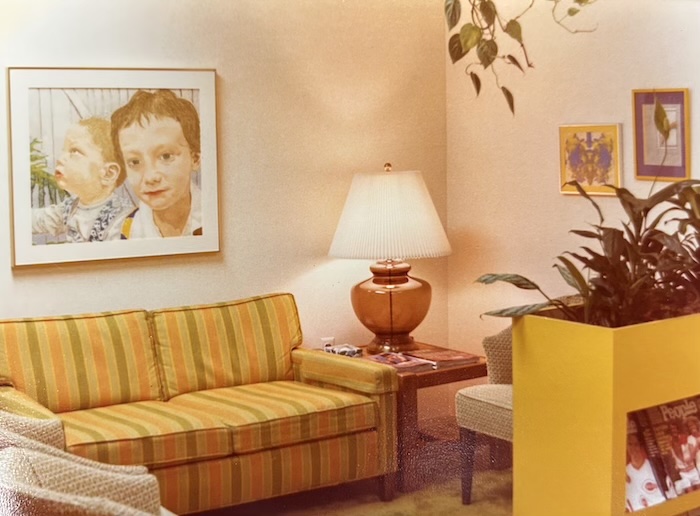
While the details of her first donations have faded — $20 to the Kosove Scholarship, $25 to WUSF, according to USF Foundation records — Burke vividly remembers the scholars she mentored, the residents who joined her in her townhouse for Thanksgiving dinners, and the student who traded a painting for contact lenses.
For Burke, the most meaningful memories are personal: scrubbing in, talking through cases and teaching residents to call patients the night after surgery.
“The most special thing I could give them went beyond surgical skill,” she says. “It was values — respect, kindness and honesty.”
From an early age, Burke understood education as both a responsibility and a way forward. Her father was a schoolteacher, and she grew up in a home of modest means but high expectations. A scholarship to Vassar College made higher education possible and covered so much that all she paid for was books. She received scholarship support in medical school, too.
“My greatest fear the whole time I was in college was losing my scholarship,” she says.
Today, Moira has two scholarships: the Dorothy Warren Burke Endowed Scholarship, named for her mother and supporting pre-med and health sciences students, and the Moira J. Burke Endowed Scholarship, created in Burke’s honor for her outstanding service as chair of USF Women in Leadership & Philanthropy and awarded to students in the School of Music. One reflects her life in medicine; the other, her lifelong love of music and the piano.
She has also invested in the future of women’s health through the Women’s Health Collaborative Seed Grant Award Fund, which supports pioneering research at USF.
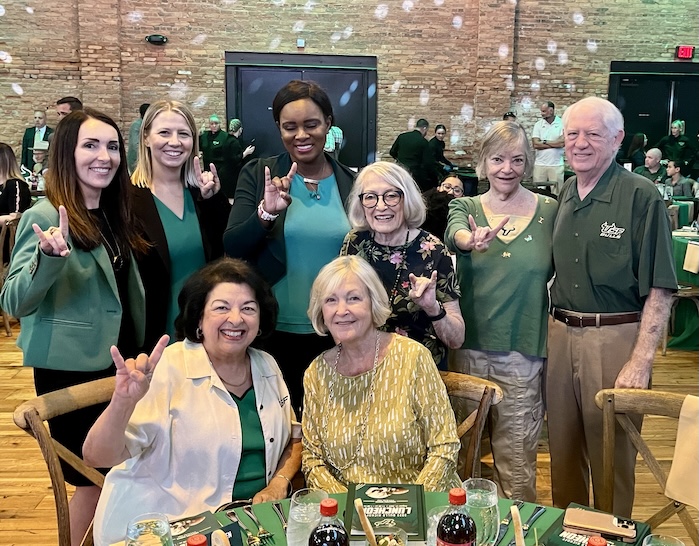
To Jailynn Youmas, a recipient of the Dorothy Warren Burke Endowed Scholarship, Burke’s support has been practical and deeply personal.
“The scholarship provided significant financial relief for my family, but Dr. Burke’s encouragement was invaluable to me as I have navigated my own journey,” says Youmas, a ’23 cell and molecular biology alumna. “She lives a life where she is committed to service, and it’s a gift to be in her presence.”
Burke understands the power of scholarship because she has lived it herself — first as a student whose education was made possible by benefactors, and now as a donor, teacher and mentor determined to open that door for others. That shared experience has left her deeply bonded to her scholarship recipients and former residents.
It is a value she has passed on to her family, teaching her children and grandchildren to give thoughtfully: to understand the causes they support, to ask where the money goes and to see philanthropy not as a transaction, but as a relationship.
“I don’t think philanthropy just for the sake of philanthropy is good,” she says. “We should be involved in what we’re giving to.”